生き甲斐
Discover Your Ikigai
Where Purpose Meets Practice
Ancient Japanese wisdom meets modern coaching. Whether you're navigating midlife transitions or managing ADHD, Ikigai principles provide a powerful framework for creating a life of meaning, balance, and authentic success.

What is Ikigai?
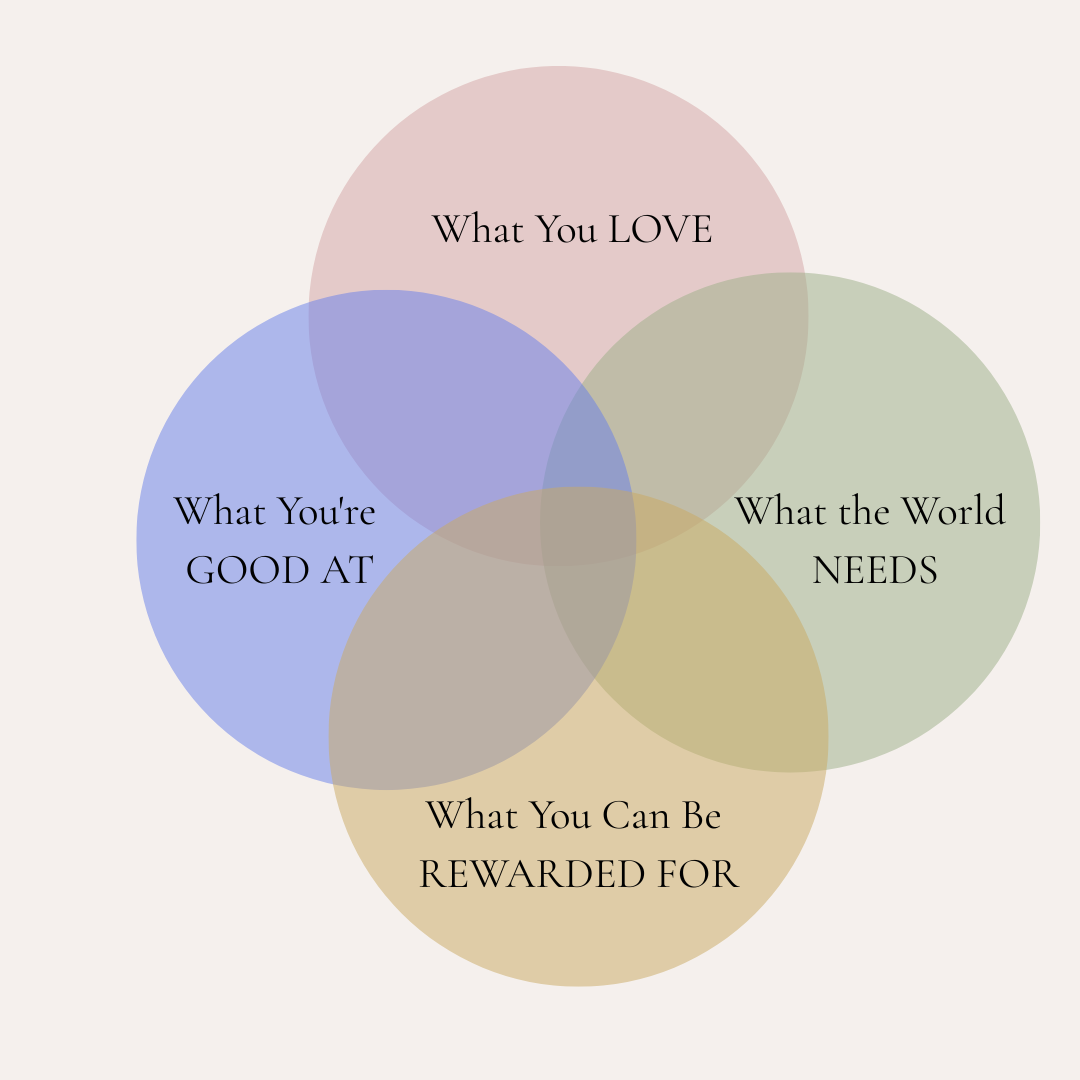
Ikigai (生き甲斐) translates to "a reason for being"—the place where what you love, what you're good at, what the world needs, and what you can be rewarded for all intersect.
What You Love
Your passions, interests, and what brings you joy. What would you do even if no one paid you?
What You're Good At
Your natural talents, developed skills, and accumulated wisdom. What do people come to you for?
What the World Needs
Your unique contribution and how you want to make a difference. Where can you add value?
What You Can Be Rewarded For
What can sustain you whether emotionally or financially.
How can your gifts support you?
Guiding Principles
These timeless Japanese concepts form the foundation of how we work together, whether you're navigating
Midlife or managing ADHD.
一期一会
Ichi-go Ichi-e
One Time, One Meeting
This moment will never come again.
Cherish the present.
残心
Zanshin
Continuous Awareness
Sustained attention that extends beyond the immediate action.
和
Wa
Harmony and Balance
Finding balance rather than forcing extremes.
我慢
Gaman
Enduring with Dignity
The strength to endure difficulty with patience and grace.
改善
Kaizen
Continuous Improvement
Small, sustainable steps create lasting change.
義理
Giri
Duty and Responsibility
The web of social connections that give life meaning.
Common Questions
Is Ikigai-based coaching religious or spiritual?
No. While these principles come from Japanese culture, they're philosophical concepts, not religious ones. We're using time-tested wisdom about purposeful living, balance, and sustainable growth. You don't need to adopt any spiritual beliefs to benefit from this framework.
How is this different from other coaching approaches?
Most coaching is goal-oriented and achievement-focused. Ikigai-based coaching is meaning-oriented and integration-focused. We're not just helping you accomplish things, we're helping you build a life that feels worth living. The Japanese principles add depth: patience (gaman), balance (wa), sustainability (kaizen), and presence (ichi-go ichi-e) that most Western coaching overlooks.
I have ADHD, isn't this too philosophical for my brain?
Actually, the opposite! ADHD brains often think deeply about meaning when interested. The Ikigai framework gives your thoughts structure. The kaizen principle prevents overwhelm. The focus on systems supports executive function. We adapt everything to be ADHD-friendly: visual, concrete, broken into small pieces. This isn't abstract philosophy, it's practical wisdom applied to YOUR specific brain and it’s journey.
What if I discover my Ikigai requires big changes I can't make right now?
Kaizen is the answer. . . small, meaningful steps. Even if your ideal Ikigai feels far away, we find the tiny steps you CAN take now. Maybe it's a side project, a new hobby, an hour per week. Small movements toward your Ikigai are still movements. Progress over perfection.
How long does it take to find my Ikigai?
Ikigai isn't a destination, it's a lifelong practice that evolves as you do. That said, most clients gain significant clarity within 2-3 months and feel aligned with their Ikigai direction within 6 months. But we continue refining and adjusting as life changes.